Article
Community Sport for All Initiative Creates New Opportunities in Wheelchair Rugby Across Canada
July 3, 2026In the past year, Wheelchair Rugby Canada’s Community Sport for All Initiative (CSAI) has helped introduce hundreds of Canadians to wheelchair rugby, reduce barriers to participation, and strengthen grassroots programs from coast to coast.
In the past year, Wheelchair Rugby Canada’s Community Sport for All Initiative (CSAI) has helped introduce hundreds of Canadians to wheelchair rugby, reduce barriers to participation, and strengthen grassroots programs from coast to coast.
Supported by funding from the Government of Canada through the Community Sport for All Initiative, the project focused on increasing access to sport for under-represented groups through rehabilitation centre outreach, community “Have-a-Go” sessions, and equipment investments.
In partnership with Provincial Sport Organizations and community organizations across the country, the initiative engaged 20 organizations and reached 711 participants through a variety of introductory and development opportunities.
Introducing New Participants to Wheelchair Rugby
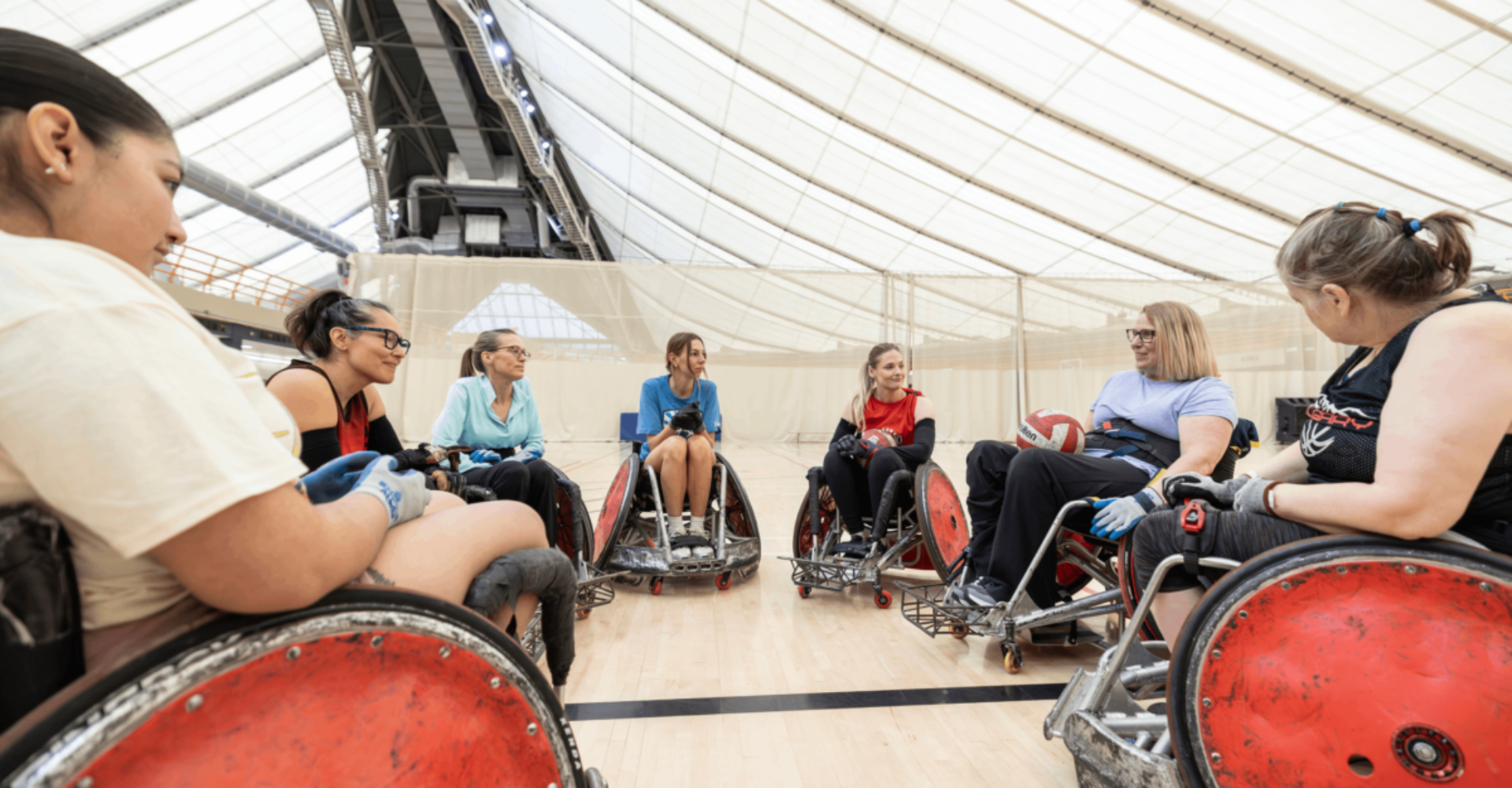
A cornerstone of the initiative was the delivery of “Have-a-Go” sessions—free introductory events designed to provide individuals with an opportunity to experience wheelchair rugby in a welcoming and supportive environment.
Over the course of the project, 44 Have-a-Go sessions were hosted in 28 communities across Canada, reaching 676 participants. Many sessions were intentionally designed to reach under-represented groups, including women and girls, youth, and individuals with disabilities who had not previously participated in the sport.
Provincial partners identified several key factors that contributed to the success of these events, including offering sessions free of charge, providing all necessary equipment, involving experienced athletes and coaches, and connecting introductory events directly to local club programming.
“Utilizing peer athletes to support weekly programs and Have-a-Go events enabled participants to learn from and connect with individuals with shared lived experiences,” shared BC Wheelchair Sports Association.
Building Connections Through Rehabilitation Centre Outreach
Another major component of the initiative focused on peer-to-peer engagement at rehabilitation centres.
Provincial Sport Organizations in Alberta, Saskatchewan, Ontario, Québec, and New Brunswick partnered with 14 rehabilitation centres, spending a total of 226 hours introducing patients with disabilities and newly acquired injuries to wheelchair rugby and the opportunities available within the sport community.
The impact of these visits extended well beyond the initial introduction. To date, 35 individuals who participated in rehabilitation centre outreach have gone on to engage with their local wheelchair rugby club or organization.
“We received very positive feedback from participants and staff of the rehabilitation centres,” shared ONPARA Network. “It is great to see individuals at the rehab centres realize there is the possibility for them to be involved in sport and wheelchair rugby once they are ready.”
By bringing wheelchair rugby directly into familiar environments, partners were able to reduce barriers, build confidence, and create meaningful connections between participants and local clubs.
Investing in Equipment Access
Access to equipment remains one of the largest barriers to participation in wheelchair rugby. Specialized sport wheelchairs are expensive and are often customized to an athlete’s size, function, and position on the court.
Through CSAI funding, organizations across Canada were able to significantly expand their equipment inventories, ensuring more individuals could safely and comfortably try the sport.
A total of 11 new wheelchair rugby chairs were purchased, representing an investment of more than $164,000. In addition, 27 chairs were repaired, extending the lifespan of existing equipment and increasing the number of athletes who could access programs.
Provincial partners consistently identified equipment access as one of the most effective ways to increase participation.
“For para-sports, having club chairs available is the best way to get people to try a sport,” shared Manitoba Wheelchair Sports Association. “For people to be competition ready they need a chair built for their body. Having funding available to buy chairs is one of the best ways to increase participation rates.”
Creating Lasting Impact
Beyond participation numbers, the initiative has helped strengthen pathways into wheelchair rugby and build capacity within communities.
In British Columbia, CSAI funding supported the launch of a new weekly wheelchair rugby program in the Comox region.
” We were aware of individuals with a disability who were interested in wheelchair rugby in the region, but didn’t have the capacity to launch a new program. This funding allowed BCWSA and the recreation centre to pilot this program, which will continue to run next season as well due to its success”, shared BC Wheelchair Sports Association.
Partners across the country highlighted the importance of building relationships with local clubs, utilizing peer mentors, and creating welcoming environments where participants can envision a future in sport.
The project also supported targeted opportunities for women and girls, including dedicated introductory sessions and educational webinars designed to foster engagement and connection.
Looking Ahead
While challenges remain, the Community Sport for All Initiative has demonstrated the impact that targeted investment can have on participation and inclusion.
The lessons learned through this project have reinforced the importance of equipment access, community outreach, peer-to-peer engagement, and strong local partnerships in creating sustainable pathways into sport.
Most importantly, the initiative has helped hundreds of Canadians discover wheelchair rugby for the first time, opening doors to new opportunities for physical activity, community connection, and lifelong participation in sport.
Wheelchair Rugby Canada would like to thank the Government of Canada and all participating Provincial Sport Organizations, rehabilitation centres, clubs, coaches, athletes, and volunteers whose efforts made this project possible.
Related Articles